
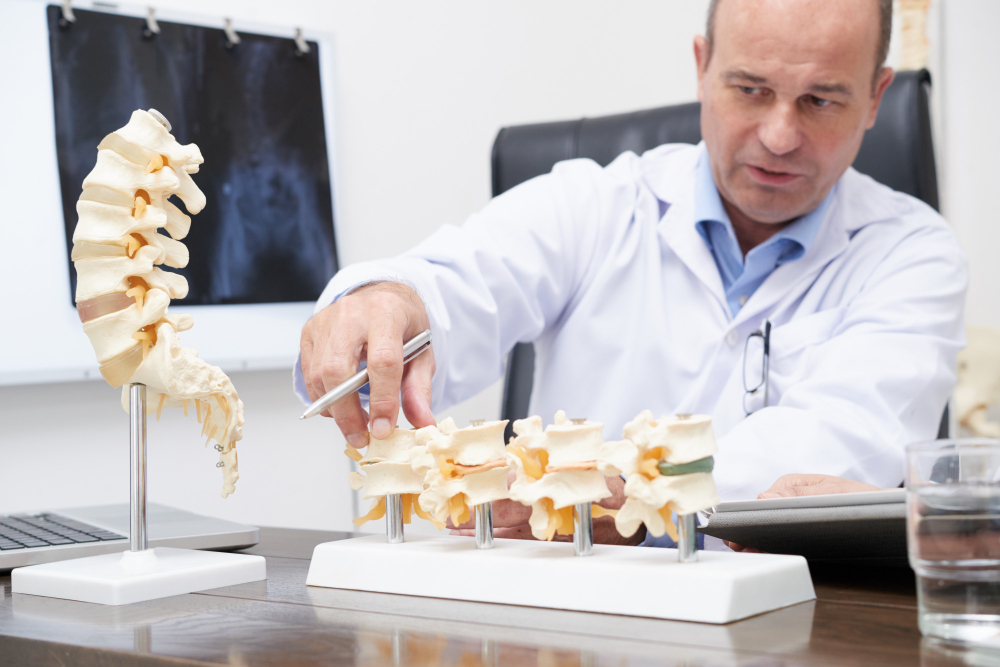
What is Endoscopic Spine Surgery?
Endoscopic spine surgery is a modern, minimally invasive spine surgery. It uses a small camera and special tools to treat back problems. Because the cuts are tiny, this surgery often leads to less pain and a quicker recovery. In many countries, including the United States and India, this advanced back pain treatment is now widely available. Doctors use it to help people with spine health issues return to normal life faster.
Common Reasons for Endoscopic Spine Surgery
Doctors may suggest endoscopic spine surgery for several back problems. For example, it can help if you have:
However, not everyone with back pain needs surgery. Your doctor will check if this endoscopic spinal procedure is right for you.
How the Procedure Works
First, the doctor gives you medicine to help you relax or sleep. Next, a small cut is made near the problem area. Then, a thin tube with a camera (endoscope) is gently inserted. This camera lets the surgeon see inside your spine on a screen. Special tools are used through the tube to fix the problem, such as removing a slipped disc or freeing a pinched nerve. Because the cut is small, there is less damage to muscles and tissues. Most people can go home the same day or after one night in the hospital.
Key Benefits of Endoscopic Spine Surgery
Many people choose minimally invasive spine surgery for its advantages. Some key benefits include:
According to studies published in peer-reviewed medical journals, most patients recover faster compared to traditional spine surgery.
Recovery and Aftercare Tips
After endoscopic spine surgery, recovery is usually quick. Still, you should follow your doctor’s advice for the best results. Here are some helpful tips:
Most people return to work or school within a few weeks. However, everyone heals at their own pace.
Risks and Considerations
While endoscopic spine surgery is safe for most people, every surgery has some risks. It is important to know about possible problems, such as:
However, these risks are lower compared to traditional open surgery. Your neurosurgeon will discuss all risks and answer your questions before the procedure.
Frequently Asked Questions
Is endoscopic spine surgery painful?
Most people feel less pain after this surgery than with older methods. Pain is usually mild and managed with medicine.
How long does recovery take?
Many people return to light activities within a week or two. Full recovery may take a few weeks, depending on your health and the type of surgery.
Will I have a large scar?
No, the cuts are very small. Scarring is usually minimal.
Is this surgery right for everyone?
Not always. Your doctor will check your health and spine problem to decide if you are a good candidate.
In summary, endoscopic spine surgery offers a safe and effective way to treat many back problems. It helps people recover faster and with less pain. Consult a neurosurgeon or spine specialist to learn if endoscopic spine surgery is right for you.